
Areas of Expertise
Business
and
Entrepreneurship
Creativity
and
Aesthetics
Math, Data, and
Computing
Technology
and
Realisation
User
and
Society
Business and
Entrepreneurship
Creativity and
Aesthetics
Technology
and Realisation
Project
Duspico
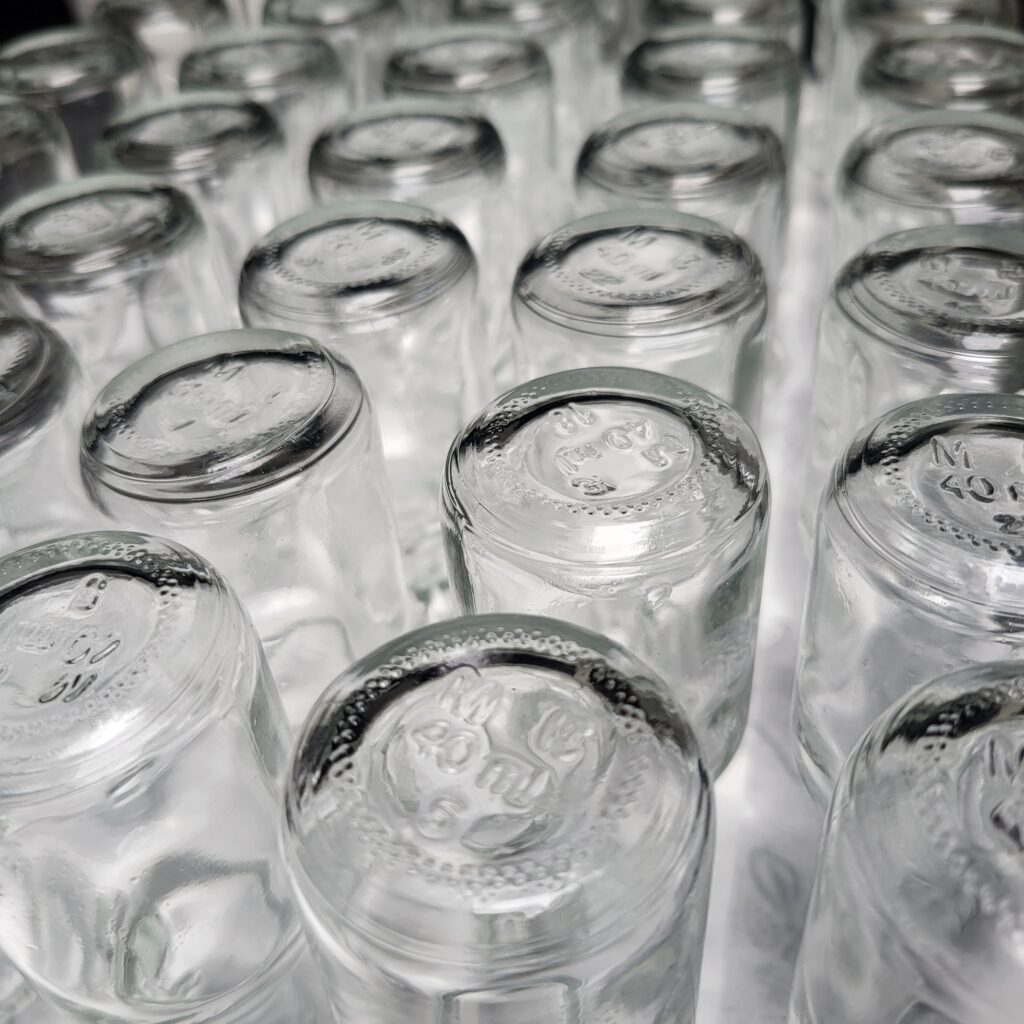
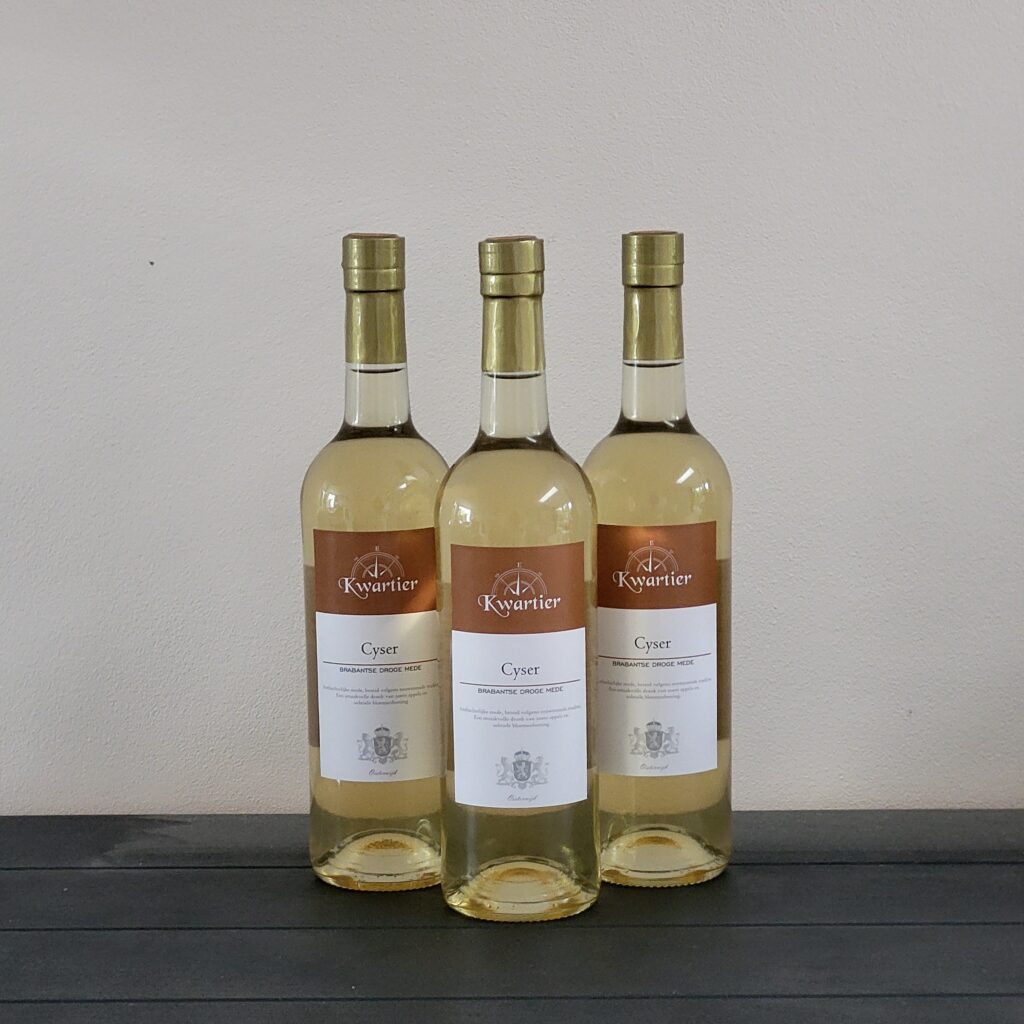
Since 2024, I have developed multiple beverage brands under the production name Duspico. The first brand was Kwartier, for traditional meads I fermented and bottled myself.
After completing the first few batches, I realised how complicated and expensive it would be to rely on the production of one type of product, especially since mead is, like wine, sensitive to oxygen and sunlight.
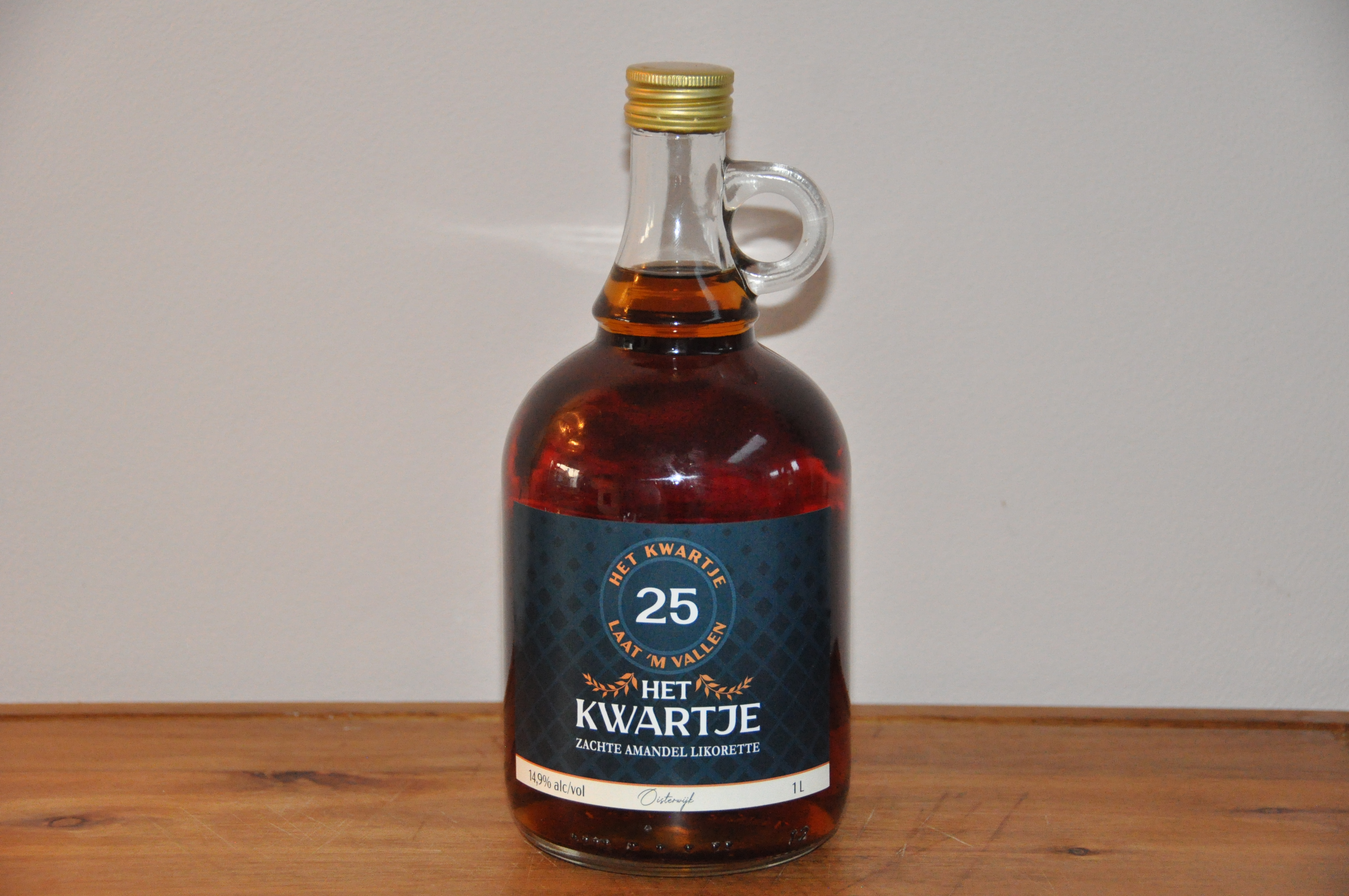
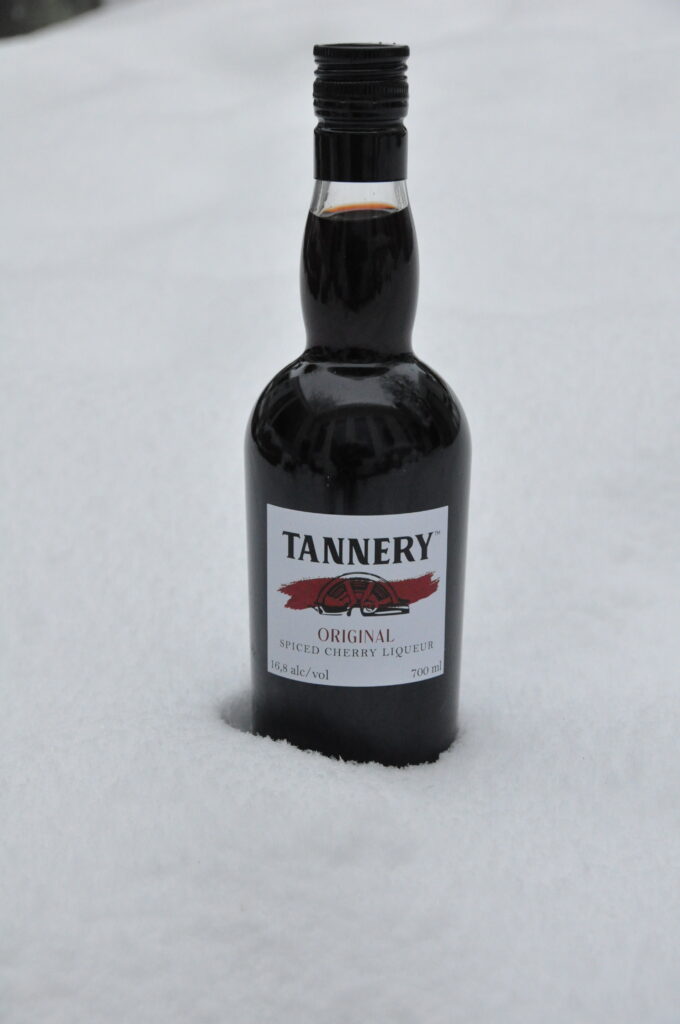
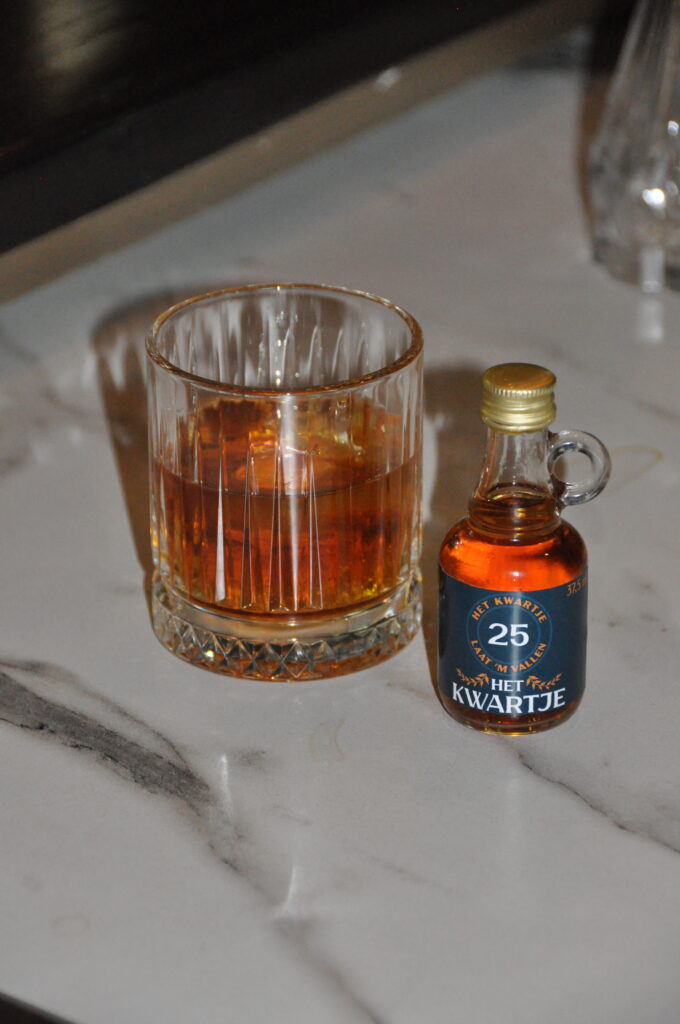
This inspired me to use this experience with flavour and small-scale production for other beverages, and explore how label and bottle design can impact a product.
Currently, Duspico produces and distributes 5 different beverages under 3 different brands, with more on the horizon.
Skills
Some of the skills I used or developed during the project include:
CAD and 3D printing (Fusion and Blender)
Logo design and Branding (Affinity)
Website design
Small-scale production and distribution
Business Analysis
Math, Data, and
Computing
Project
Household usages
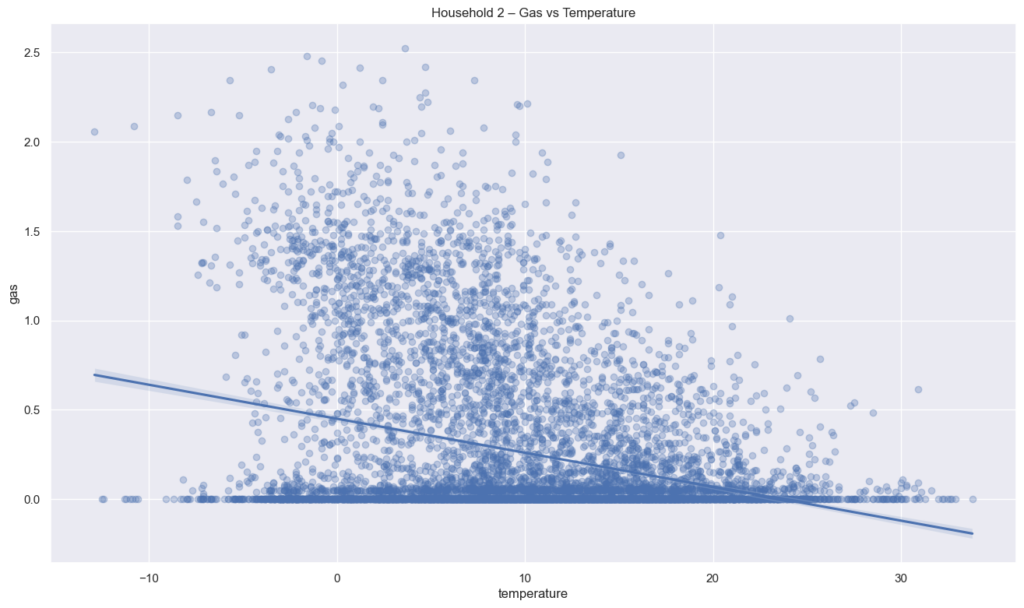
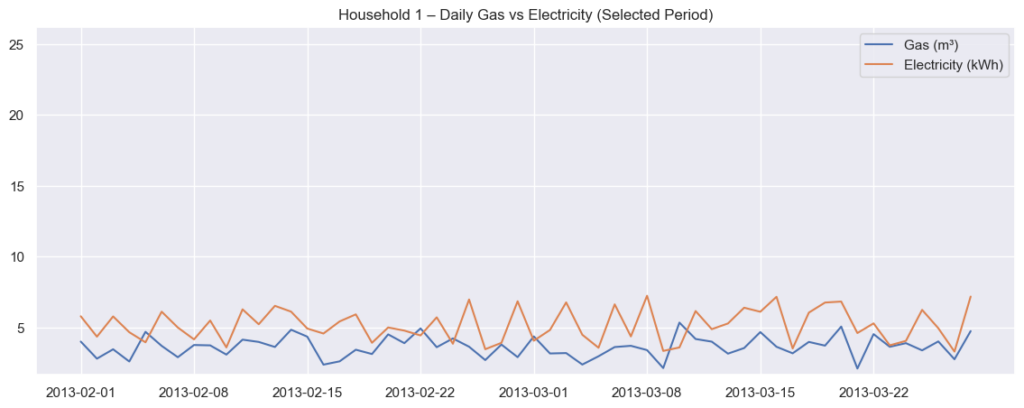
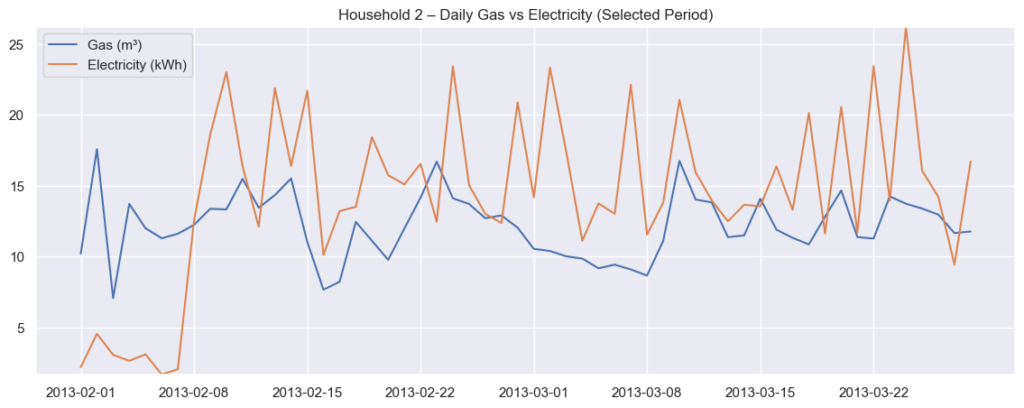
For my Data Analytics project, I decided to look into the gas and electricity usage of two different households.
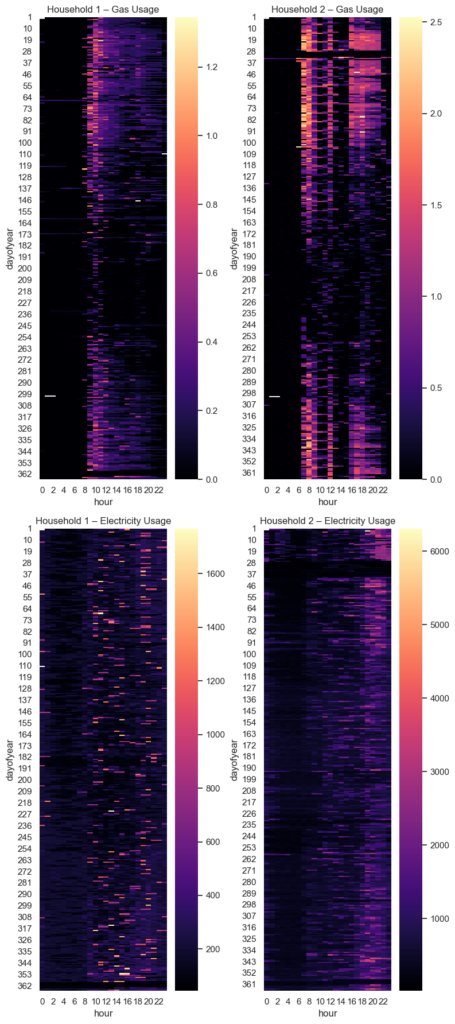
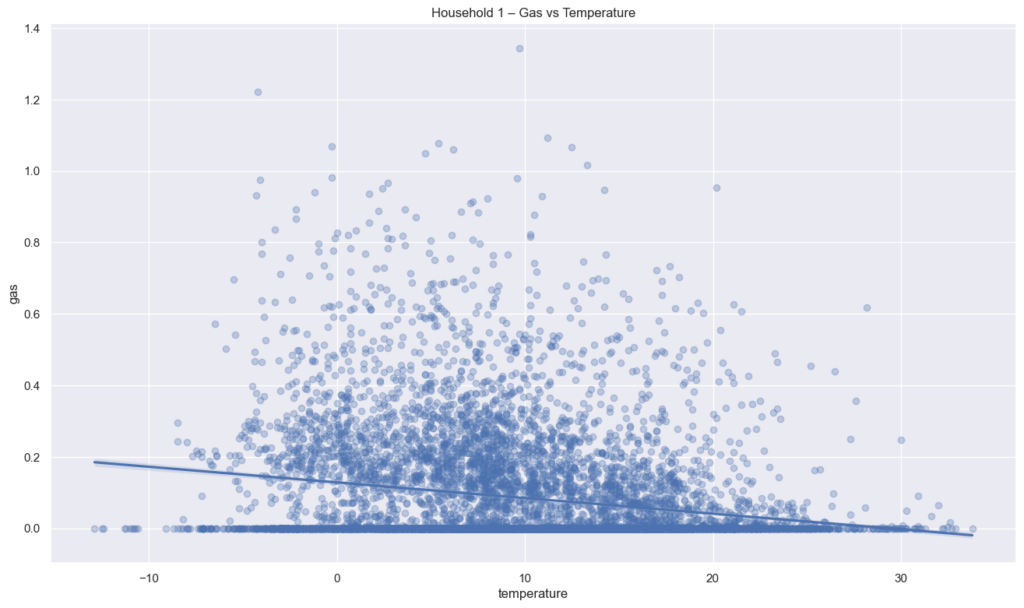
Based on the data provided, I wanted to see if it is possible to prove whether a household primarily uses gas or electricity for cooking and heating.
Thanks to heatmaps to identify deviations and scatterplots to compare the gas and electricity usage in those areas, I was able to prove that household 1 cooked with electricity, while household 2 cooked with gas.
While there are enough grounds to conclude the primary usage of both homes, they are relatively thin. In the future, I plan to set lower goals early on, and gather more data to make it easier to defend my conclusions.
Skills
Skills I utilised or learned during this project include:
Data Analysis & Processing
Data Visualization
Statistical Reasoning
Creativity and
Aesthetics
Math, Data, and
Computing
Project
Creative Programming
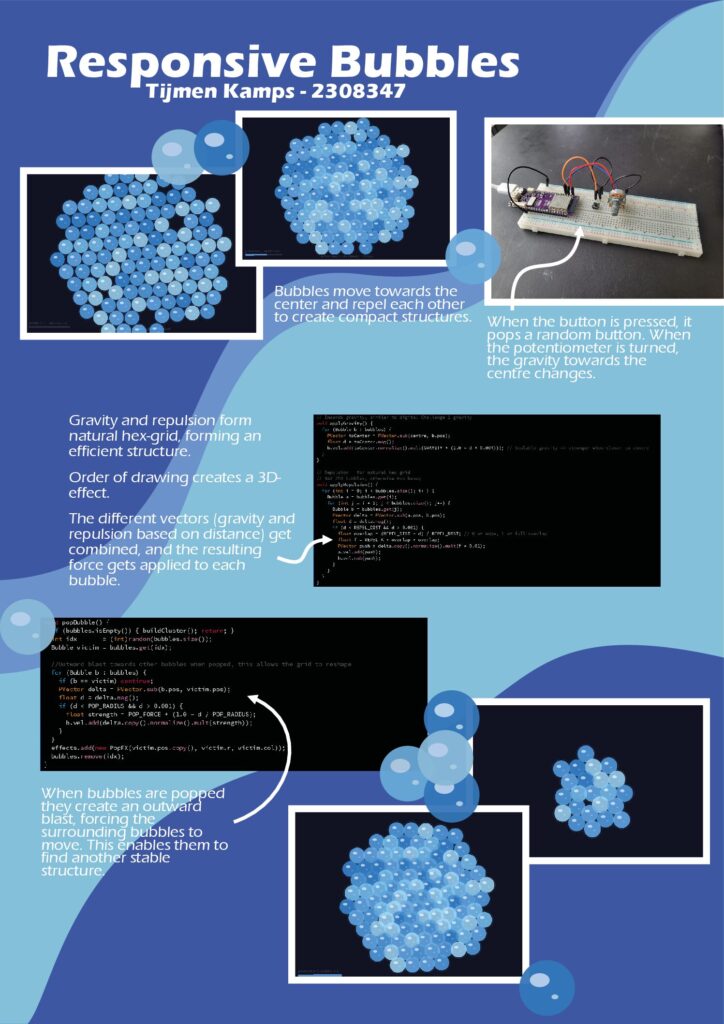
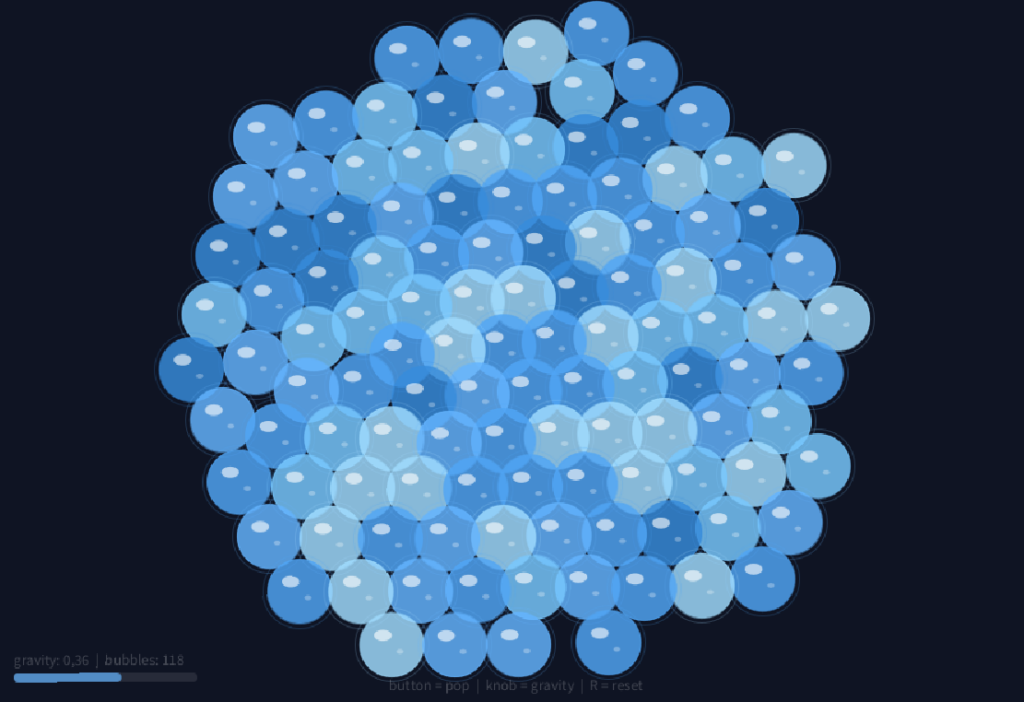
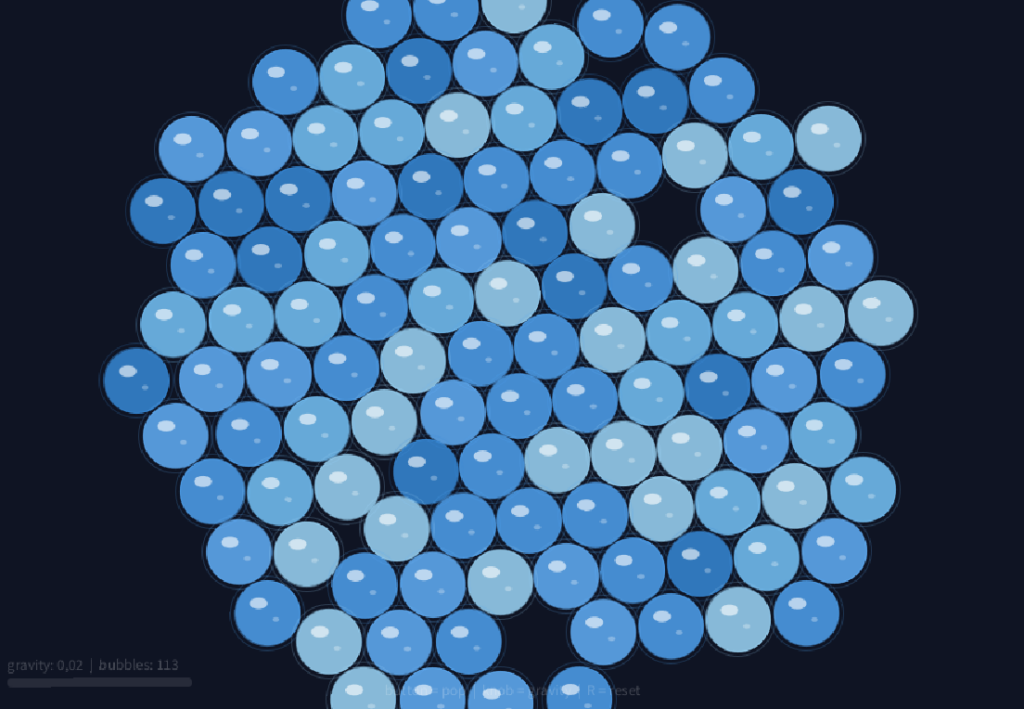
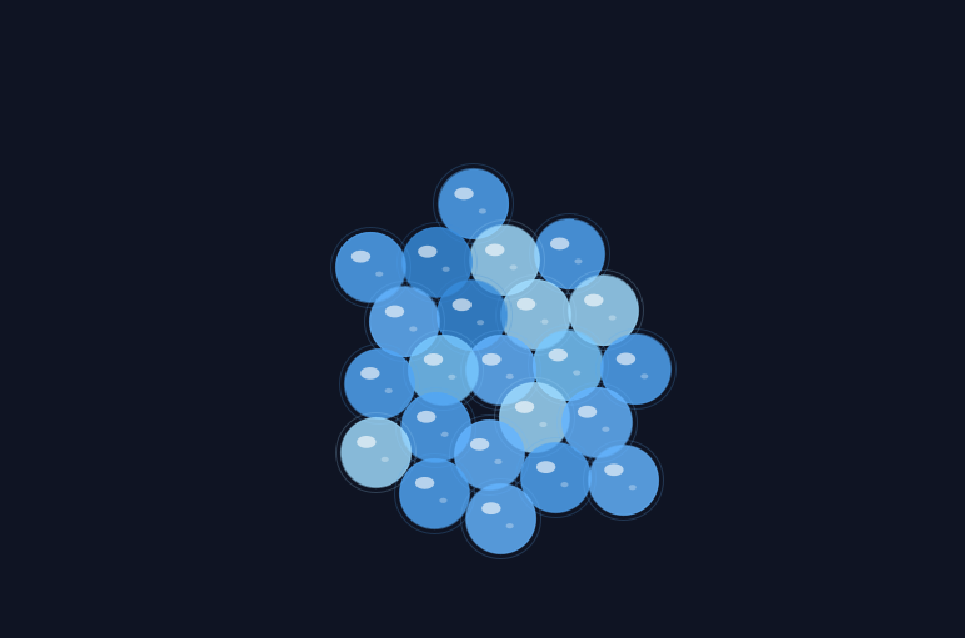
For this course, we were challenged to create a ‘creative’ code. I was inspired by the behaviour of soap bubbles, which pack together and create efficient structures such as honeycombs.
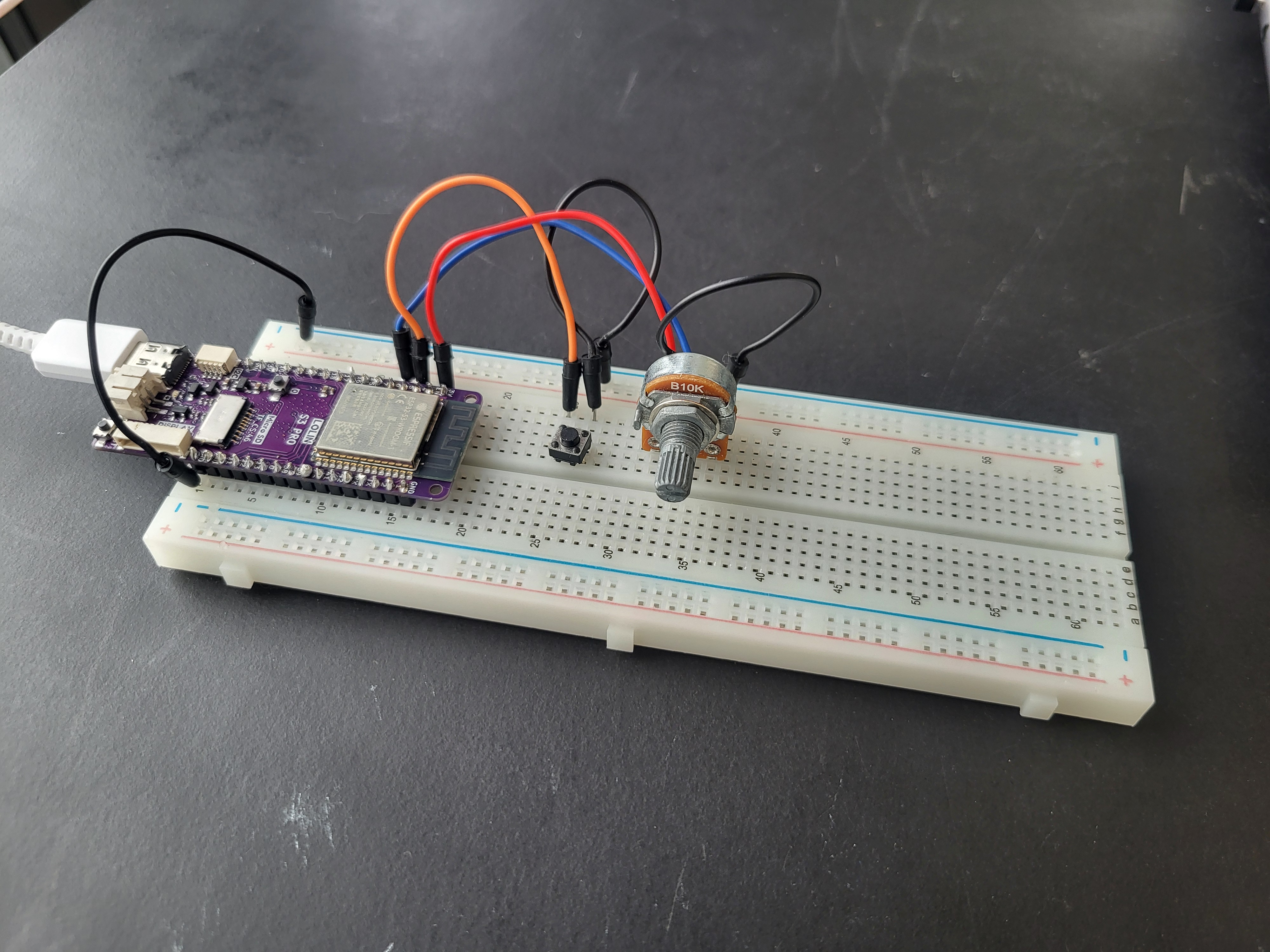
Using an ESP32, a small board similar to an Arduino, I made tactile buttons that control the gravity the bubbles experience.
During a peer feedback session, someone suggested making the bubbles respond to sound. I hadn’t considered this direction, but saw how it would strengthen the connection between the simulation and the physical world. Acting on this feedback changed the project significantly.
This challenge also allowed me to experiment with collisions, something I wanted to utilise during earlier projects. These collisions, together with gravity and friction, allow the bubbles to move realistically.
The biggest challenge was making the microphone work, as it was hard to visualise and comprehend how Processing handled the microphone input. The amplitude analyser returns values between 0.0 and 1.0, but what counts as quiet or loud depends entirely on surrounding sounds. I introduced a noise floor constant to filter out ambient sound, and a separate clap threshold for pop detection. The
second challenge was preventing a single clap from triggering multiple pops across consecutive frames, which I solved with a cooldown timer.
This project taught me how tactile controls impact the feeling of a system. It made me realise how much adding a simple physical button could change how you interact with something, and how important it is to make these controls intuitive. A good example of this is the potentiometer, which I inverted in the code to make sure the gravity increases when you turn the knob to the right. This immediately made the potentiometer feel connected to the simulation. The same applies to the sound detection, which made the bubbles feel physically in the same space as you, instead of simply being on a screen.
This project has shown me how physical input can make a simulation feel alive in a way that keyboard controls alone cannot. I also learned how complex challenges often require very basic solutions, such as a simple cooldown or threshold. I look forward to building on this by exploring more complex physical interactions in future projects.
Skills
Some of the skills I used or developed during the project include:
Programming (C++ and Java)
Hardware integration
Simulation design
Technology
and Realisation
Math, Data, and
Computing
Erasmus+ Exchange
Football Robot
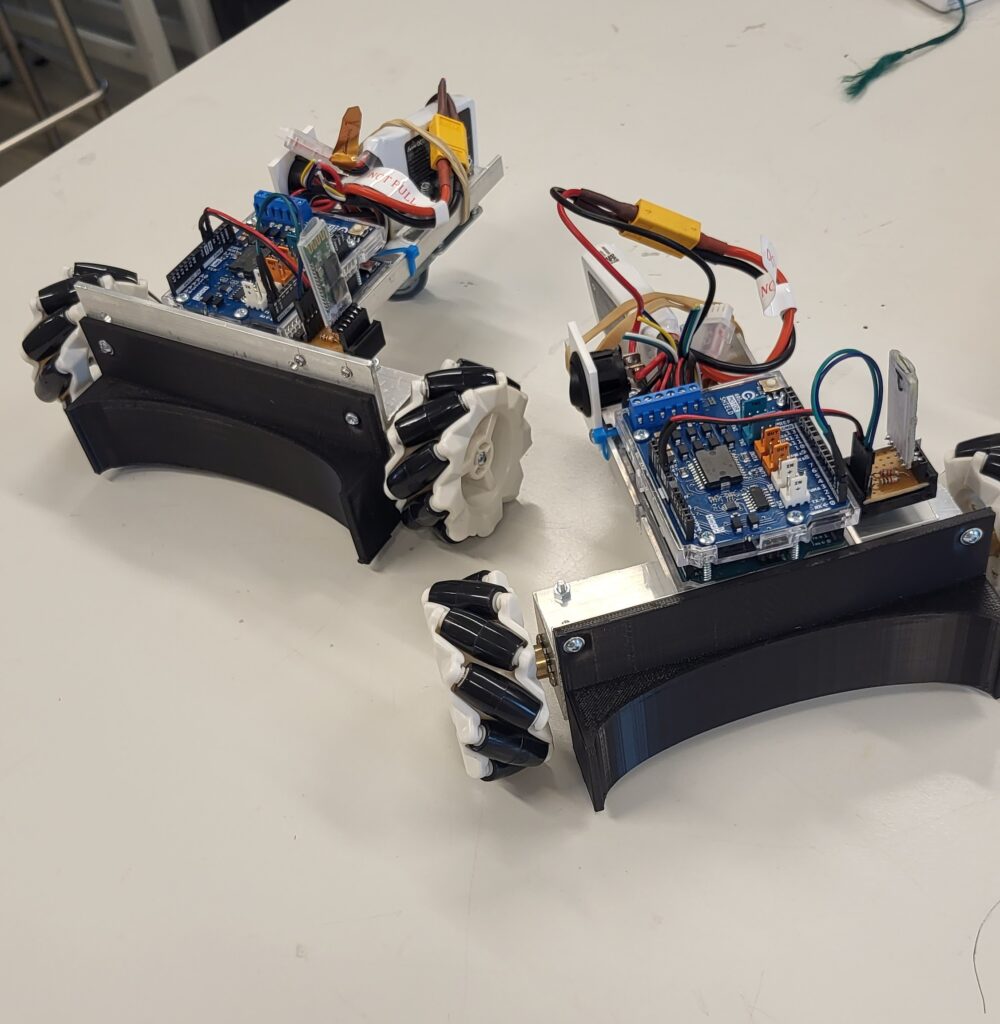
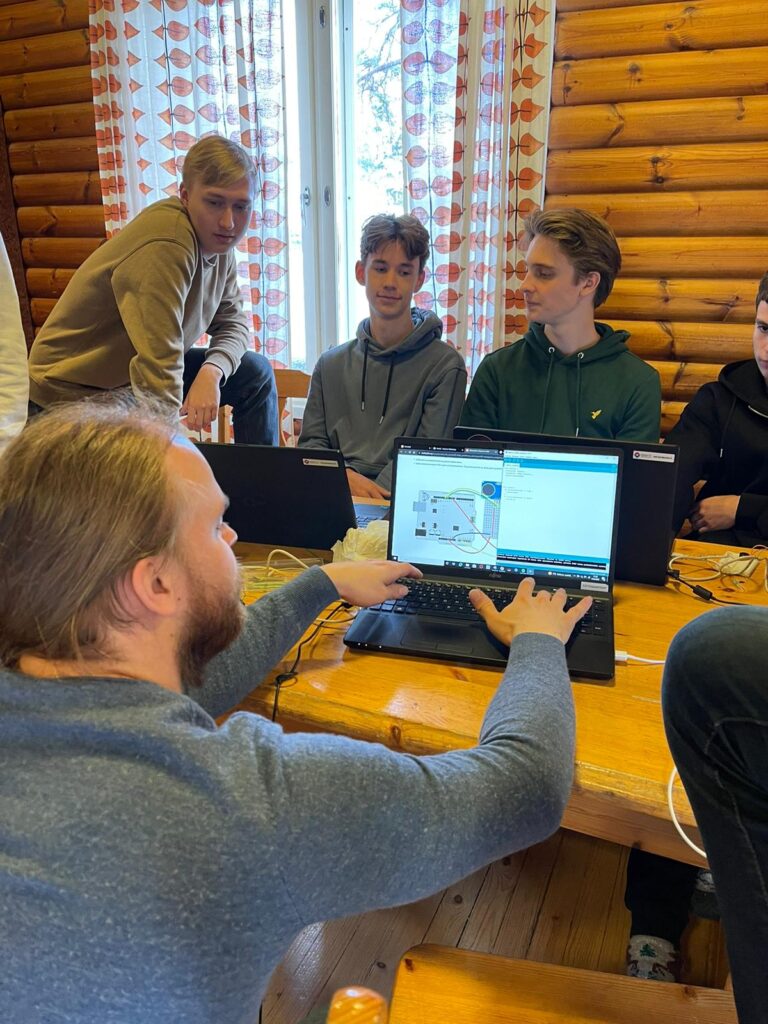
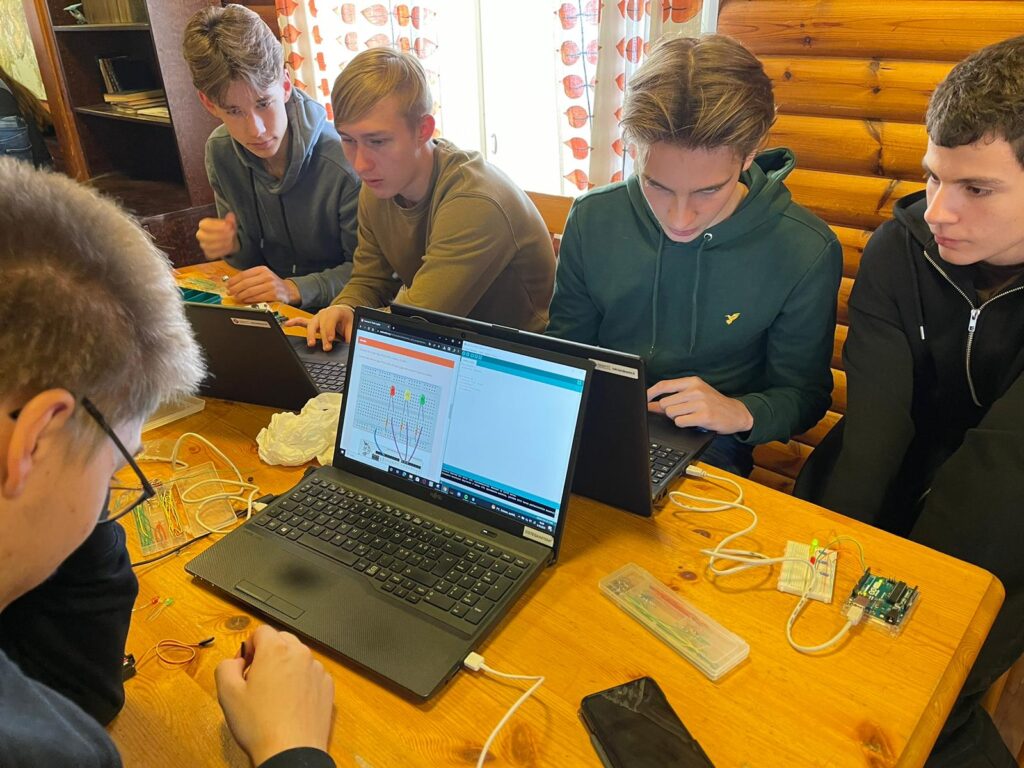
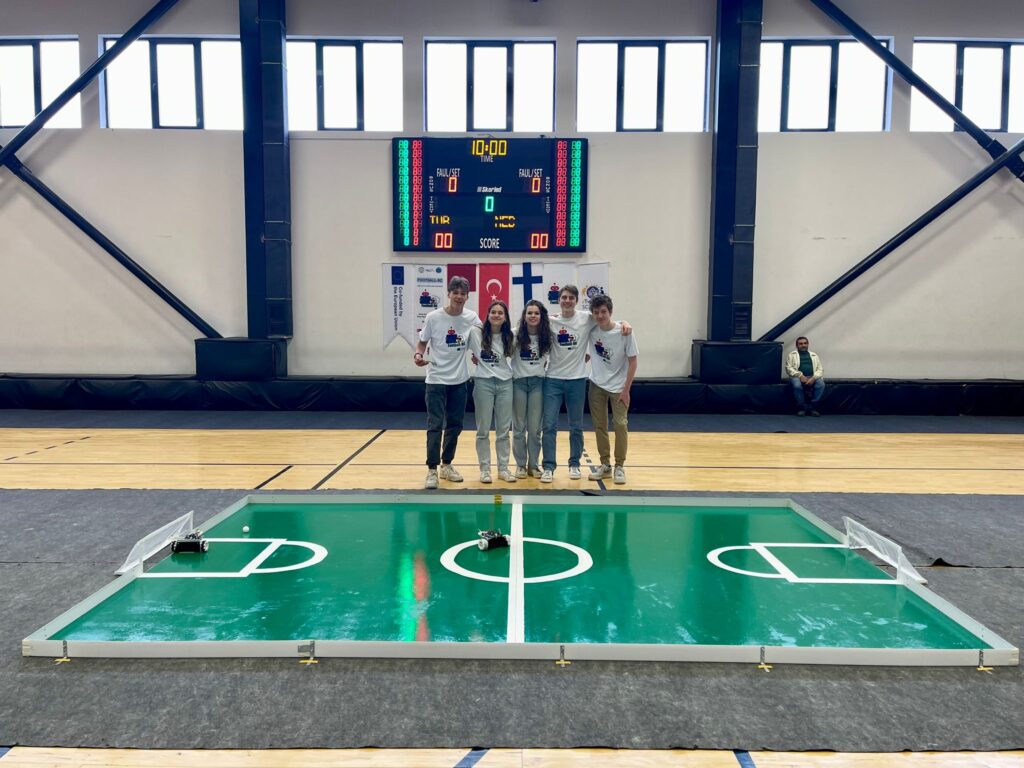
For my final school research project, I participated in an Erasmus+ Exchange to Finland, where we developed a football robot which would compete against students from different countries in Istanbul, Turkey.
During this project, I was mainly involved with the hardware and coding of the robot. Together with the Finnish delegation, we made functional prototypes using 3D printing to test the optimal wheels and motors.
Because our group contained 10 people, it was easy to lose oversight during the development, which led to setbacks such as trouble merging hardware components and the exterior case. Eventually, we decided to split the group into different sub-groups, each of which was led by a single person. This made communication much easier and allowed us to come in second place in the competition.
Skills
Some of the skills I used or developed during the project include:
CAD and 3D printing (Fusion)
Programming (C++)
Iterative design
Hardware integration
International communication
Creativity and
Aesthetics
Technology
and Realisation
User and
Society
Project
Anonymity Board Game
In this project, I expressed Creativity &
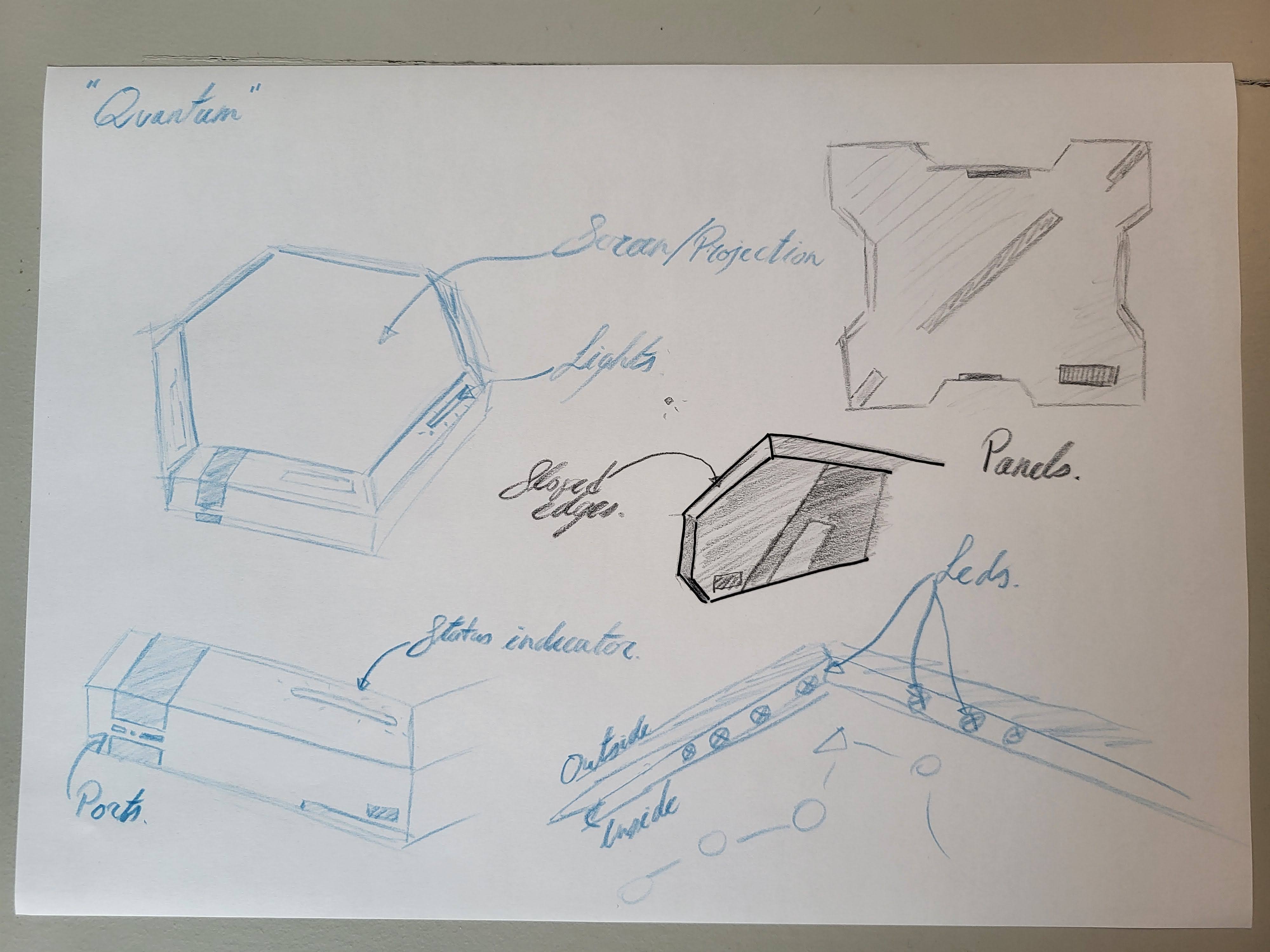
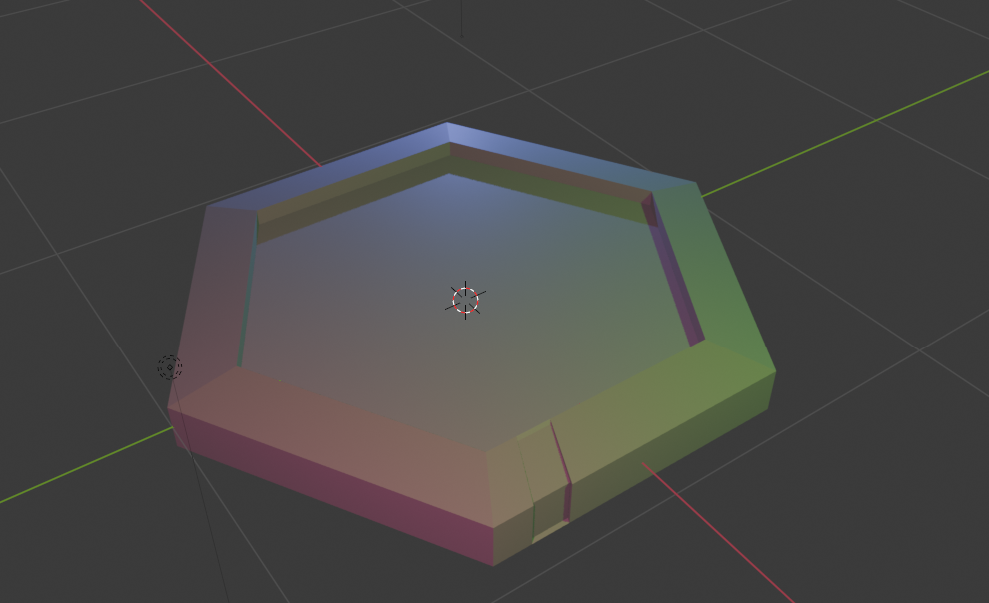
Aesthetics in the exterior of the game and the user experience of the player. As I wanted our game to feel clean, modern, and technological, I drew inspiration from older sci-fi films like 2001: A Space Odyssey and a video game called Quantum Rush: Champions. This led to a minimalistic board layout and a set of two-tone icons that were easy to read and connected to the theme of digital anonymity. The minimalistic exterior of the board made the centre of the board take the spotlight, while still offering an interesting visual aesthetic.
Once we got a rough idea of the game, we decided to split up for the user testing sessions, which meant each
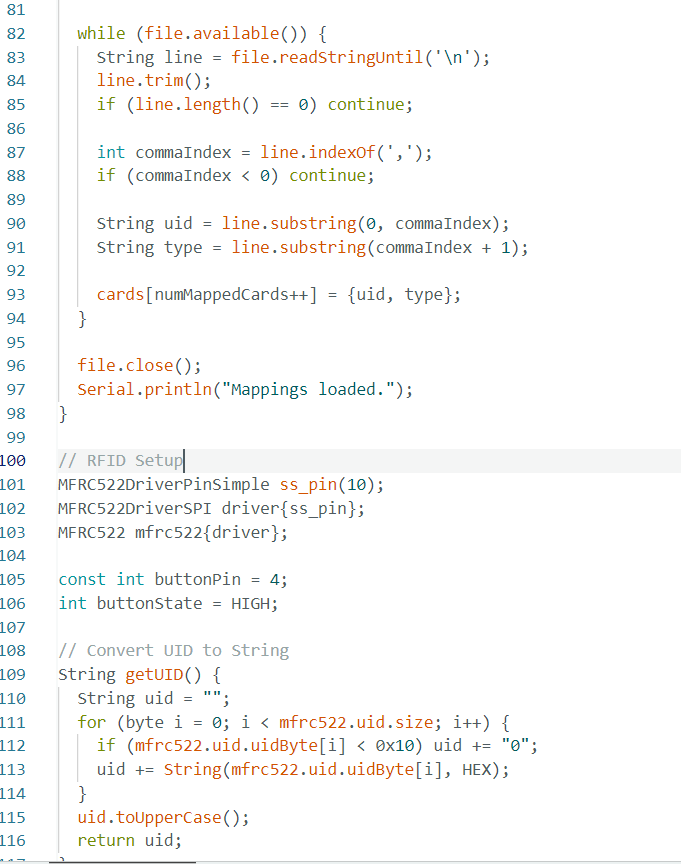
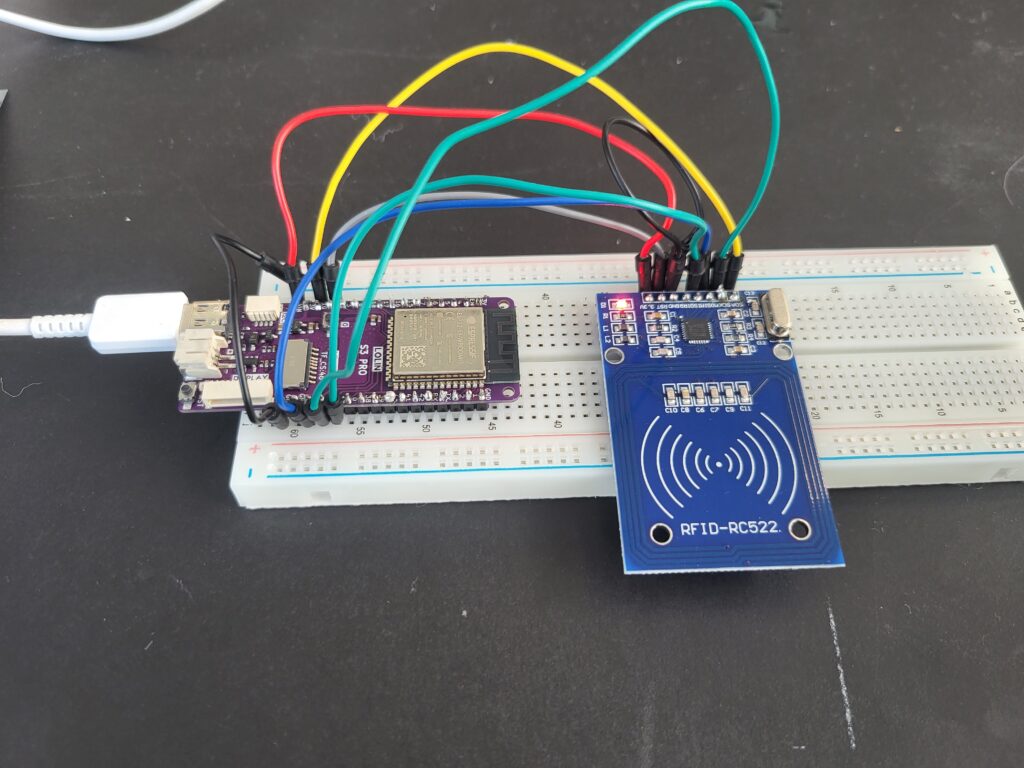
of us made a different part of the game. My part was to make the prototypes of the board, scanner and cards. During the user testing sessions, my job was to analyse whether or not the game was playable, understandable and intuitive.
This project confirmed that I’m most interested in Creativity and Aesthetics, and Technology and Realisation, which I felt from the beginning. I really enjoyed designing hybrid physical-digital interactions and want to continue developing my skills in 3D design, graphic design, and more
advanced coding.
Our team mainly followed a Double Diamond structure, but the complexity of the system required us to heavily iterate throughout the entire development of our game. I was most active during ideation and development part, and mainly focussed on the programming and electrical part in the final stages of our game. During the ideation phase, I proposed the theme of digital anonymity, created the core gameplay mechanics, and built the low-fidelity prototypes used in the user testing sessions.
I naturally assumed a leadership role because I wanted the group to have some structure, and because I have prior experience in graphic design, game systems and programming. To make sure the group was behind this, I often asked for their feedback and opinions. Fortunately, everyone was glad I had taken on this role. I organised meetings, delegated tasks, and offered suggestions. Communication shifted from in-person to digital as the project progressed, and I encouraged everyone to share updates to track progress more transparently.
While I’m proud of how I guided the project, I also learned that I sometimes overestimate others’ skills. This led to stress when tasks weren’t completed as expected. In the future, I want to establish everyone’s strengths early and create a clearer system for sharing progress, including more physical meetings in the final weeks of the project.
I also learned how important early alignment is within a team. Understanding what each person can do and making sure progress is clearly visible, prevents misunderstandings and helps distribute the workload more fairly. In this project, I sometimes overestimated what others were capable of doing, which led to stress and uneven progress. In future projects, I want to give my teammates more freedom by managing my own expectations early, checking their skills at the start, and creating a clearer structure for sharing updates. This will help me trust others more and avoid taking on too much responsibility myself.
Skills
Some of the skills I used or developed during the project include:
CAD (Fusion and Blender)
Graphic design (Affinity)
Programming (C++)
Hardware integration
User testing
Management and leadership